

From forest to living room
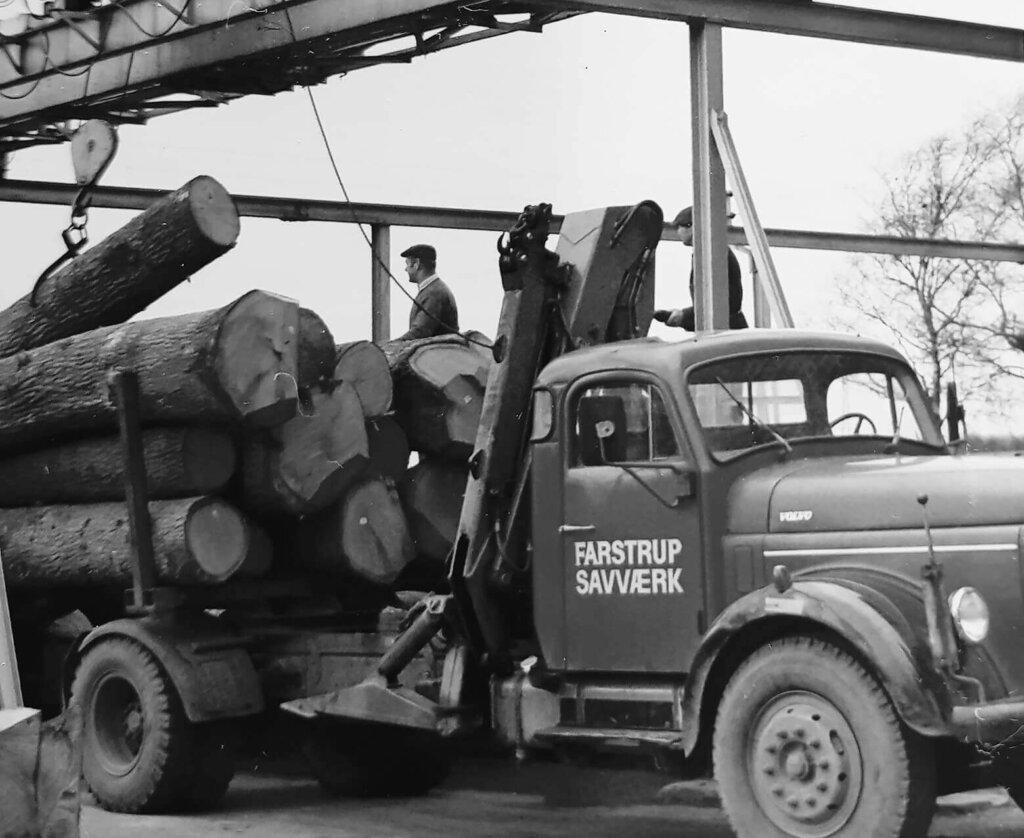
At Farstrup Furniture, we have stood for solid Danish craftsmanship since 1910, when the company began as a sawmill. Since then, we have produced millions of high-quality chairs based on the same values: a love of wood, solid craftsmanship and timeless design.
But how does a raw tree log become a sustainable and stylish chair? All our furniture goes through a long and thorough process, ensuring that each individual piece meets our high quality standards.
The raw wood
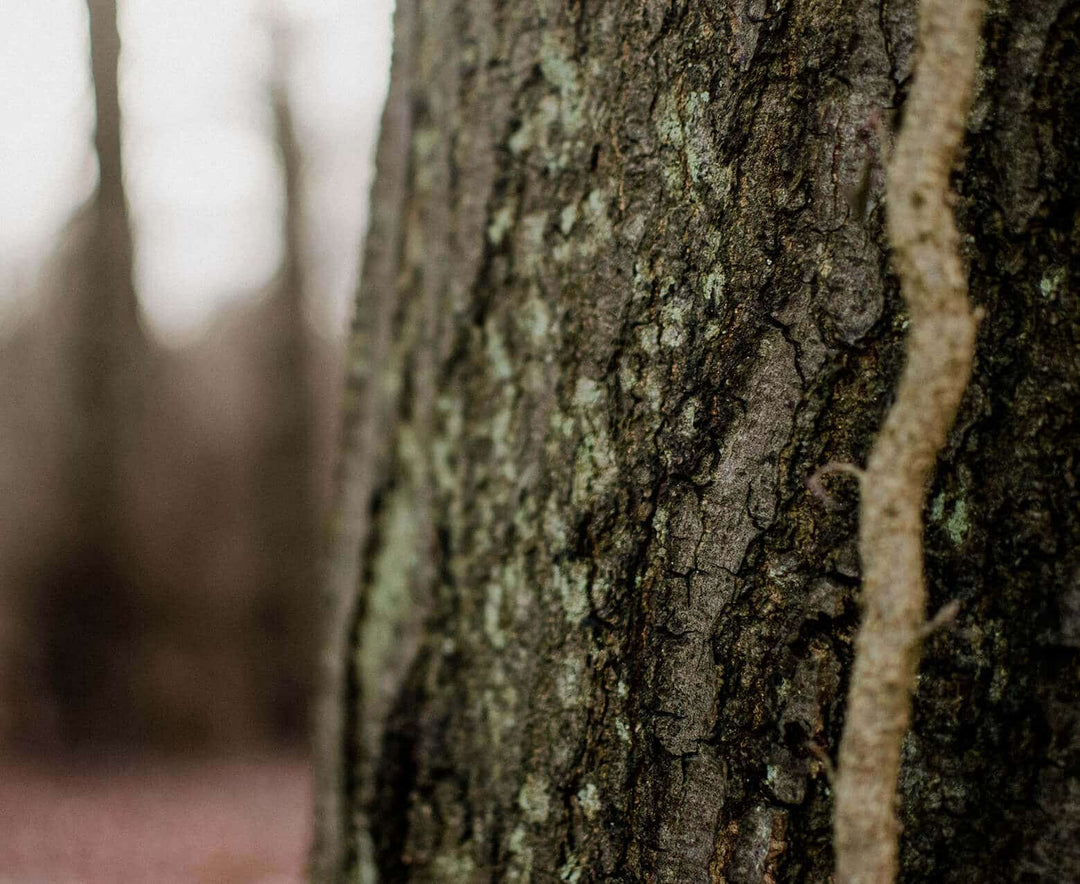
The first part of the process is about selecting the right wood from the right forest areas. When producing sustainable furniture, it matters where the wood comes from.
At Farstrup Furniture, we use wood from Northern European forests whenever possible. Here, the trees grow more slowly, giving the wood a denser structure and a stronger structure. This forms the foundation for durable furniture that, with its timeless design, can last for generations.
The wood processing
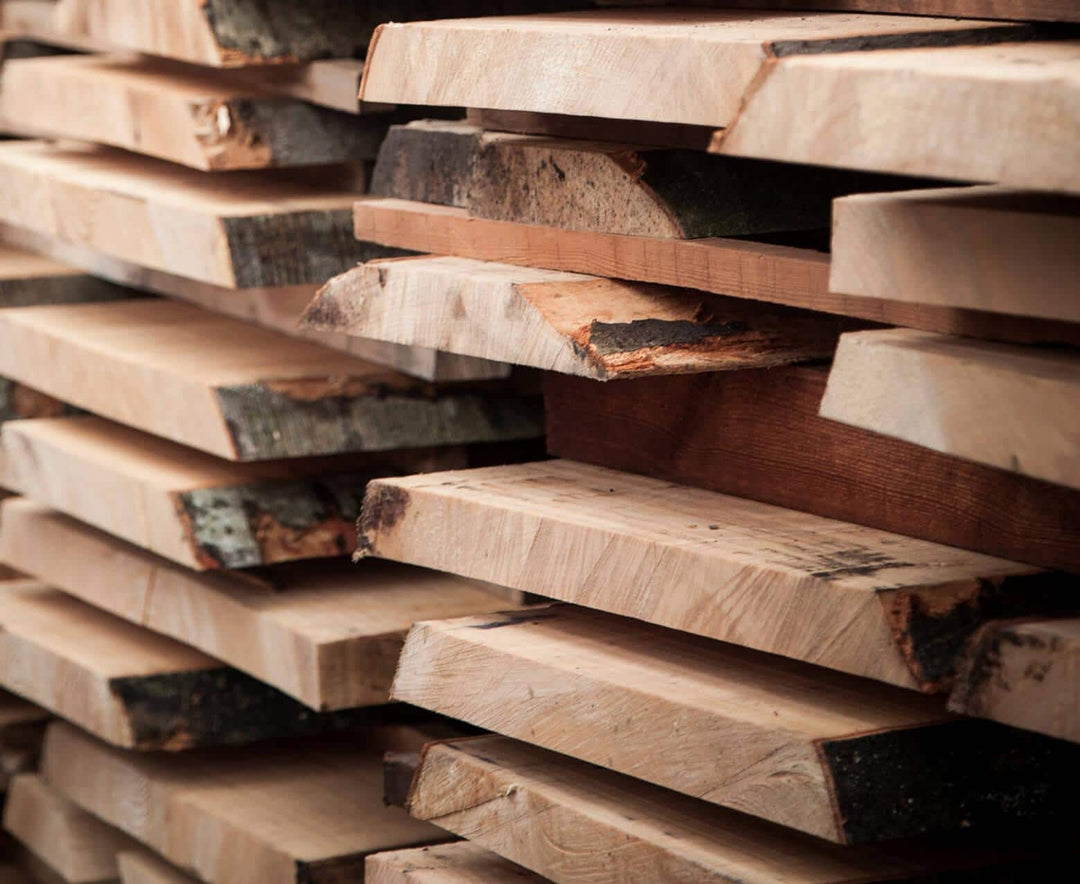
The wood arrives at our furniture factory as dried planks, ready to be processed. The first stage consists of straightening and planing the planks, giving them the right thickness and uniform dimensions.
The wood is then ready for further processing on our modern CNC machines. Here, we can cut the wood into countless shapes and components with high precision and consistent quality.
Before the wooden components move on to the next stage of the process, they are sanded by hand to create a smooth and refined surface, ready to be assembled, glued and dowelled into a chair.
Mould-pressing veneer
In our furniture production, we also use beech and oak veneer. Wood is a living material, and solid wood can develop tension as a result of changes in humidity and temperature.
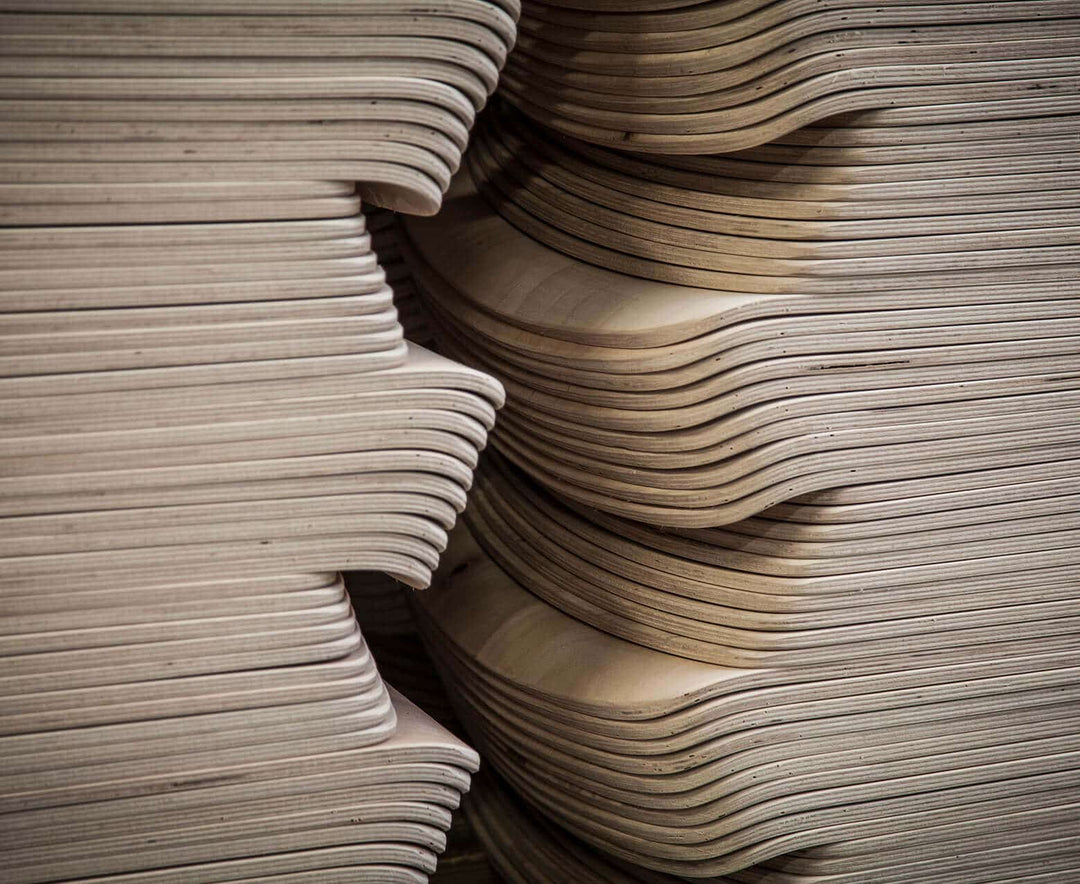
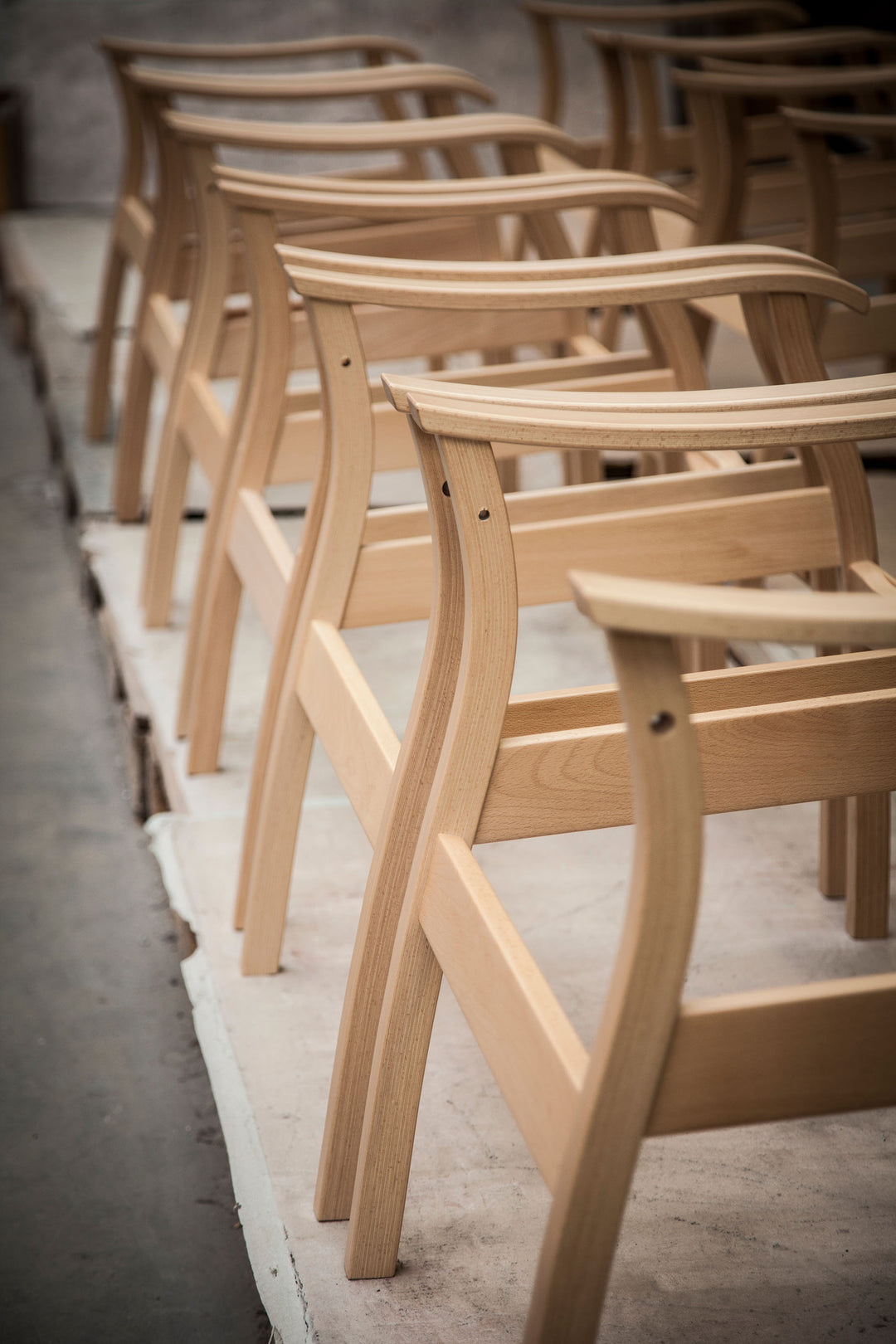
By using veneer, we can reduce these tensions while also achieving a lower weight and very high strength. The veneer is mould-pressed, glued and heated in our form press, creating one strong piece of wood in the desired shape.
The formed wood is then cut into individual components, which are sanded and glued together. In this way, we create the foundation for a strong and durable chair.
Varnishing
The chair frame is then sent on for varnishing, where it receives a protective surface treatment that also highlights the natural grain and structure of the wood.
After varnishing, the chairs are hung to dry on our specially developed rotation system. The system runs at a carefully controlled pace, ensuring a uniform drying time for each individual chair.
If the chair is to have extra foam, the foam is glued and placed on the seat and back before the upholstery process continues.
Applying fabric or leather
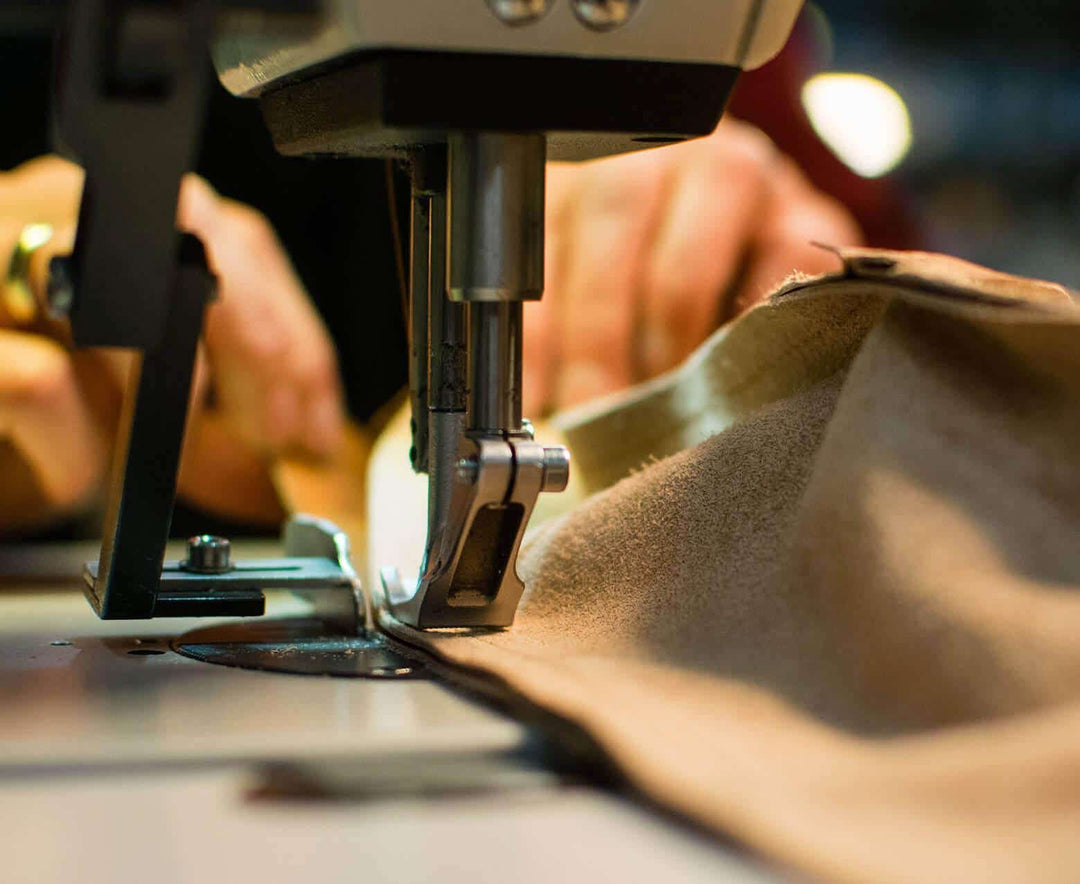
The final part of the process takes place with our seamstresses. The selected fabric or leather is cut, sewn and fitted to the chair, before being mounted together with the foam.
Before the chair leaves the factory, it is inspected, tested and tried out.